
Chinese doping phenomenon
Chinese doping case revealed a great number of problems in the current anti-doping system which needs reforms badly

The World Anti-Doping Agency confirmed on Saturday that 23 Chinese swimmers had tested positive for a banned drug ahead of the 2021 Tokyo Olympics, but that it accepted the findings of Chinese officials that the samples had been contaminated.
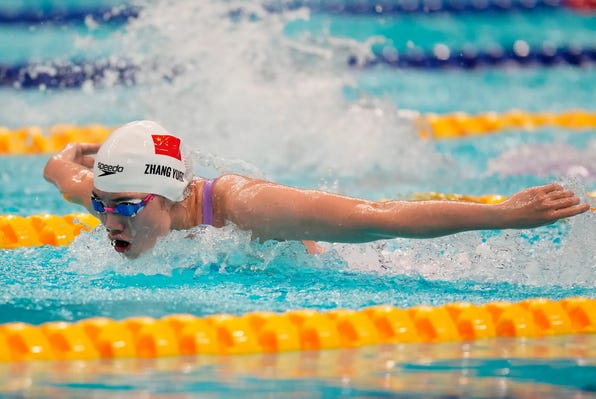
The situation has once again revealed a number of problems in the anti-doping system, with the shortcomings and imperfections of which many have put up with all these years.
In the doping scandals of the 70s and 80s everything was quite simple. If there was a fact of taking PEDs, no one would dealt with its nature. There was a fact and that was the main thing. Even if it was taken unconsciously, it was some kind of contaminating, someone wore compression socks - whatever - it didn’t matter. The fact of doping took place and maybe that was the very thing that influenced the successful result.
But all the rules were created by the WADA, led by its tacit USADA leaders. But, naturally, who invents the rules, the same one can break them. And it was the WADA who covered up all the American doped athletes. It was okay for the USADA. But now, when WADA decided that it was possible to cover up the Chinese swimmers, their American collegues became furious.
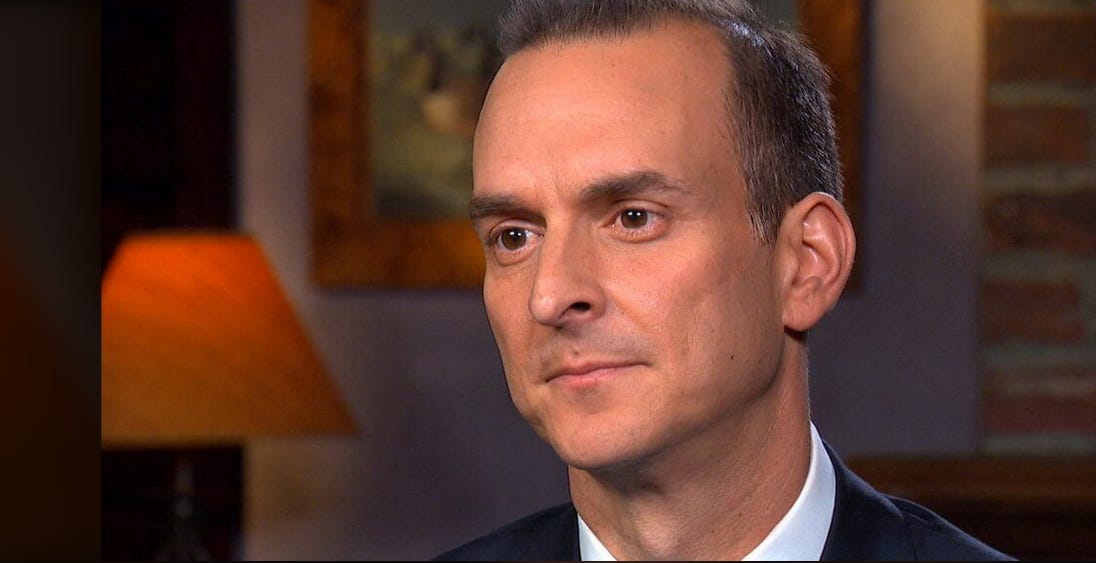
“All of those with dirty hands in burying positive tests and suppressing the voices of courageous whistleblowers must be held accountable to the fullest extent of the rules and law,” Travis Tygart said in a statement, prompting a similarly vehement response from WADA.
Doesn't this show seem to be a planned one?
For three years, WADA officers have been silent. Then suddenly it all comes to light. Travis Tygart, who couldn't have been unaware of the case, rushes to accuse WADA, killing two birds with one stone. On the one hand, he acts as the main accuser of dishonest work of the World Anti-Doping Agency and on the other hand, he now has an opportunity to tell how “honest” all American athletes are. But he is also playing with fire, because the WADA offecers may stop keeping silent, as they have been covering American athletes for years.
The latest extensive databases with analyses results that we were able to find are the 2016 Games and some data about the 2012, which boggles the mind and after reading it there is no doubt about the double standards policy of the WADA and the USADA.
The information on 439 American athletes who took doping tests in different years of their careers is analyzed. Particular attention is paid to examining tests taken specifically during and after the London 2012 and Rio 2016 Olympic Games.
The most interesting are the four athletes who tested positive after their performances at the Rio Olympics, as well as one athlete who was found to be doping after the London Olympics.
Simone Biles is an American gymnast, four-time Olympic champion (Rio 2016), ten-time world champion (Antwerp 2013, Nanning 2014, Glasgow 2015). The athlete tested +ve for methylphenidate. In addition, from 2012 to 2014. she took amphetamine.
Elena Delle Donne is a basketball player, Olympic champion of Rio 2016. Tested +ve for amphetamine. She has been taking the steroid hormone hydrocortisone since 2014.
Sam Dorman is a Rio 2016 silver medalist in diving. Tested +ve for amphetamine.
Kathleen Baker (Swimming). She won gold and silver at Rio 2016. Tested +ve for prednisone and prednisolone. In addition, the athlete was taking such drugs as methylprednisolone, budesonide, dextran.
Nicholas Delpopolo (Judo). Pan American Games medalist. Tested +ve for cannabinoids.
It is important to note that with the exception of Nicholas Delpopolo, all athletes have TUEs authorizing them to take certain banned drugs. In total, 42 athletes out of 439 have such authorization. Among them are tennis players Serena Williams (hydromorphone, oxycodone, prednisolone, methylprednisolone, prednisone), Venus Williams (prednisolone, triamcinolone, formoterol), Bethanie Mattek-Sands (hydrocortisone, prasterone); track and field athletes Michelle Carter (medrol), Galen Rapp (salmeterol, salbutamol, methylprednisolone), and gymnast Lauren Hernandez (methylprednisolone) and basketball player Brittney Griner (lisdexamfetamine). Meanwhile, 69 athletes on the total list have tested negative for doping. No data is available for 329 athletes.
Everyone knew about these athletes taking drugs, but the WADA and USADA officers turned a blind eye. Because, unfortunately, sports and the whole anti-doping system is politics. That's what happened with the Chinese swimmers. Who would dare to disqualify 23 elite Chinese swimmers from competing? This is either, indeed, a “collective poisoning”, or evidence of a state-run doping program in China. And if the latter is true, why is China, like Russia, still allowed to compete in the Olympic Games? But who would want to develop this version now?
The issue of reforms has been mature for a long time, but now it is more relevant than ever.